
Blog
Welcome to our team blog
Explore practical advice, expert insights and the latest from AllActive, covering chair-based exercise, fitness, health and wellbeing, and nutrition.
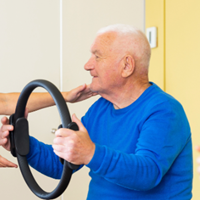
Using Pilates rings in chair-based exercise
August 16, 2026
In this article, we explore how incorporating Pilates rings into your chair‑based exercise classes can enhance a range of movements and core‑focused exercises. We will begin by outlining the key benefits of using the ring in a seated environment, and then show how to apply those benefits to three simple, effective exercises: the seated torso twist, the seated side bend, and the seated backwards lean.

Why time seems to speed up as we get older – and how to slow it down
August 14, 2026
At some point in adulthood, many people notice a strange shift: time no longer feels the same. Childhood summers seemed to stretch on forever, each day filled with anticipation and discovery. Now, weeks slip past almost unnoticed, and entire years can feel like they vanish in an instant. This experience is incredibly common, and while it can feel unsettling, it has a very natural explanation rooted in how the brain works.
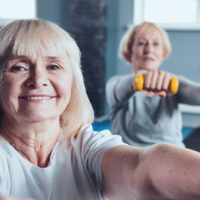
Seated chest press: How different equipment shapes the exercise
August 3, 2026
When performing any exercise, a wide range of equipment can be used to add resistance or increase complexity. However, the same movement pattern performed with different modes of resistance – such as a resistance band compared with a pair of dumbbells – will not necessarily produce the same training effect. Choosing the most appropriate modality therefore depends entirely on the intended outcome for the individuals you are working with. This article explores how one exercise, the seated chest press, can be performed using several types of equipment, and how each option shapes the training effect of this movement pattern.

More than instructions: How language shapes movement and engagement
June 1, 2026
When I first trained as a sports coach and fitness instructor in the early 1990s, there was a strong emphasis on providing clear and detailed teaching points alongside demonstrations. We were taught to consistently reinforce these points as clients performed the actions. This often involved long, directive lists of instructions, such as: “Back straight, head up, wrists flat, do not lock out elbows, shoulders back…” However, these instructions often felt more like a box-ticking exercise than a genuine effort to help clients.

The Transtheoretical Model of behaviour change: An introduction for health and fitness professionals
April 21, 2026
Helping people to change long‑standing health behaviours is one of the most challenging, and most important, aspects of working in health and fitness. Change is rarely straightforward. Motivation can rise and fall, confidence may grow and shrink, and setbacks are a normal part of the process rather than a sign of failure. As professionals, our effectiveness is shaped not only by what support we give, but when and how we give it.

Behaviour change theories: Social cognitive theory
March 17, 2026
Continuing our exploration of models and theories of health behaviour change, today’s newsletter focuses on Albert Bandura’s Social Cognitive Theory. This influential framework represents a major development in our understanding of human behaviour, particularly within health promotion and behavioural intervention design.
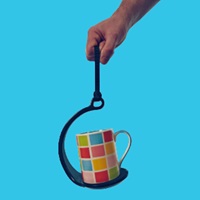
Anti-spill drink carriers – how do they work?
March 11, 2026
I recently purchased an anti‑spill drink carrier. I was extremely sceptical about whether it would actually work, but I was amazed to discover that it performs brilliantly. Since using it, I haven’t spilled a single drop. If you haven’t come across these before, anti‑spill drink carriers are designed to let you carry an open cup, mug or glass with one hand while preventing spills caused by walking, swinging or uneven surfaces. They are especially useful for individuals with limited mobility, gait difficulties or tremors, helping them carry drinks safely and more independently.

Understanding health scepticism: How to respond effectively to common phrases
March 11, 2026
As health and fitness professionals, we often encounter sceptical remarks about health advice, such as, “They’re always changing their minds about what’s good for you – eggs used to be bad, now they’re good,” or, “My nan smoked every day of her life and lived to be 98.” While these phrases might seem dismissive or even frustrating, they offer valuable insights into the speaker’s attitudes, beliefs, and reasoning patterns. By understanding the underlying psychology and epistemic development behind such statements, professionals can respond more empathetically and effectively, fostering trust and encouraging informed decision-making.

Walking 3,000 steps a day may help slow Alzheimer’s-related decline
November 4, 2025
Emerging research suggests that walking as few as 3,000 steps a day could significantly slow cognitive decline associated with Alzheimer’s disease. While the precise mechanisms behind this effect remain unclear, scientists believe it may be linked to the benefits of regular physical activity on brain health, such as reducing inflammation or improving blood flow.
Why are teenagers using the cut and bulk diet to ‘get ripped’? Is it a good or bad approach?
September 24, 2025
A recent discussion on the radio caught my attention, prompting me to seek out the BBC article they referenced. This article summarises my findings from that BBC source (see link below), along with insights gathered from additional research.