
At some point in adulthood, many people notice a strange shift: time no longer feels the same. Childhood summers seemed to stretch on forever, each day filled with anticipation and discovery. Now, weeks slip past almost unnoticed, and entire years can feel like they vanish in an instant. This experience is incredibly common, and while it can feel unsettling, it has a very natural explanation rooted in how the brain works.
Health & Wellbeing
Helping people to change long‑standing health behaviours is one of the most challenging, and most important, aspects of working in health and fitness. Change is rarely straightforward. Motivation can rise and fall, confidence may grow and shrink, and setbacks are a normal part of the process rather than a sign of failure. As professionals, our effectiveness is shaped not only by what support we give, but when and how we give it.
Continuing our exploration of models and theories of health behaviour change, today’s newsletter focuses on Albert Bandura’s Social Cognitive Theory. This influential framework represents a major development in our understanding of human behaviour, particularly within health promotion and behavioural intervention design.
As health and fitness professionals, we often encounter sceptical remarks about health advice, such as, “They’re always changing their minds about what’s good for you – eggs used to be bad, now they’re good,” or, “My nan smoked every day of her life and lived to be 98.” While these phrases might seem dismissive or even frustrating, they offer valuable insights into the speaker’s attitudes, beliefs, and reasoning patterns. By understanding the underlying psychology and epistemic development behind such statements, professionals can respond more empathetically and effectively, fostering trust and encouraging informed decision-making.
Emerging research suggests that walking as few as 3,000 steps a day could significantly slow cognitive decline associated with Alzheimer’s disease. While the precise mechanisms behind this effect remain unclear, scientists believe it may be linked to the benefits of regular physical activity on brain health, such as reducing inflammation or improving blood flow.
For most healthy adults, regularly needing more than about nine hours of sleep each night can be a sign that something is amiss. While the occasional lie-in after travel, illness, intense physical activity, or a string of late nights is perfectly normal and usually harmless, consistently sleeping for long periods – especially if you still […]
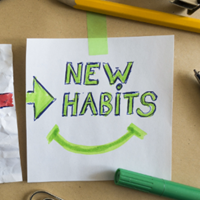
Habits are an integral part of our daily lives, shaping our routines and influencing our overall well-being. From the mundane act of brushing our teeth to more complex behaviours like smoking or procrastination, habits can be both beneficial and detrimental. While conventional wisdom has long suggested that it takes precisely 21 days to change a […]
A recent conversation with a friend about why we grunt and groan when standing up, sitting down, or bending over, and when we actually started doing this, prompted me to look for supporting literature on the topic. There was not a lot of information available, but I have included a few links below that seem […]
This year’s Mental Health Awareness Week is currently underway, having started on 13th May and running until 19th May. Spearheaded by the Mental Health Foundation, this year’s theme focuses on “Movement: moving more for your mental health.” In this post, we will not explore the benefits of movement and exercise for mental health. Instead, our […]
In the last newsletter, we introduced the New Economics Foundation’s ‘five ways to wellbeing’, and focused on one of these, ‘Connect’. In this post, we shall focus on another of these pillars; namely, ‘Give’. The ‘five ways to wellbeing’ report by the New Economics Foundation (NEF) presented a set of evidence-based actions aimed at improving […]